What is jurisdiction? There are 2 main kinds of jurisdiction. Personal Jurisdiction and Subject Matter Jurisdiction.
In layman’s terms, Personal Jurisdiction is the right of the state to make rulings over a party, specifically, the Respondent (or Defendant). In order for that to happen, the Respondent must have a connection to the state in which the case is filed. Usually, this means that the Respondent lives in that state. However, in a divorce in Florida, this can be established by showing that the Respondent lived there during the marriage, even if they have moved out of state after separation. It can also be found with a few more rare exceptions. One way to obtain it is a little trickier. It is by serving the Respondent while they are in Florida, even on vacation. Personal Jurisdiction, unlike Subject Matter Jurisdiction below, can be consented to. This can be tricky, as many Respondents may accidentally consent to jurisdiction if they do not follow the proper procedure. An experienced divorce attorney should know this and property enter their appearance and file the correct motion to avoid this. Respondents often consent, however, with knowledge in an uncontested divorce.
Subject Matter Jurisdiction is the ability of the Court to hear the matter itself. In a divorce in Florida, it means has one of the parties resided in Florida for at least six months. In a Paternity Case, it means have the children resided in Florida for at least six months. However, in a divorce with children, you could, potentially, have jurisdiction to hear the divorce yet not have jurisdiction to rule on child related issues like time sharing if the children have not resided in Florida for six months. This cannot be consented to, even if the divorce is amicable.
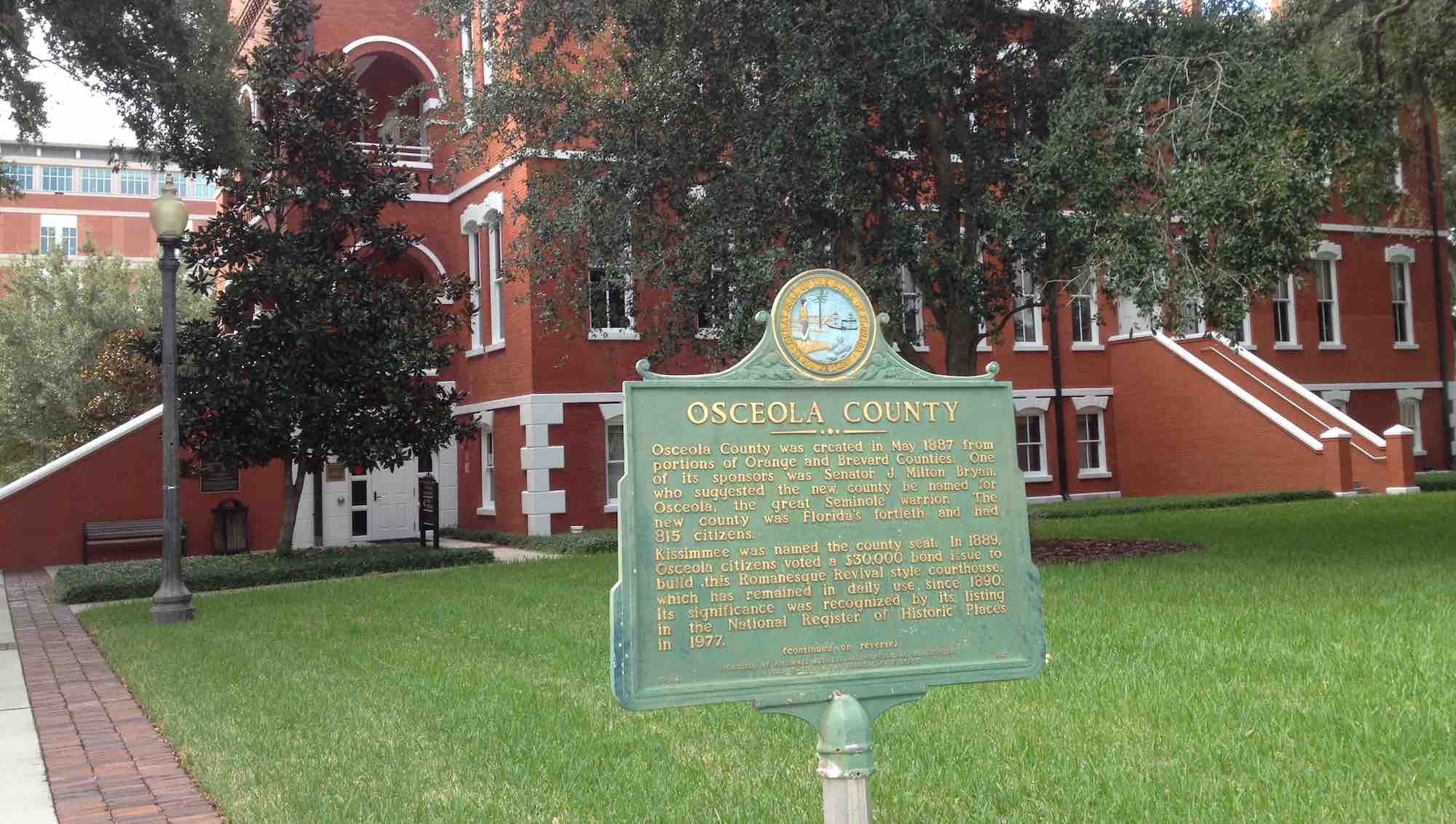
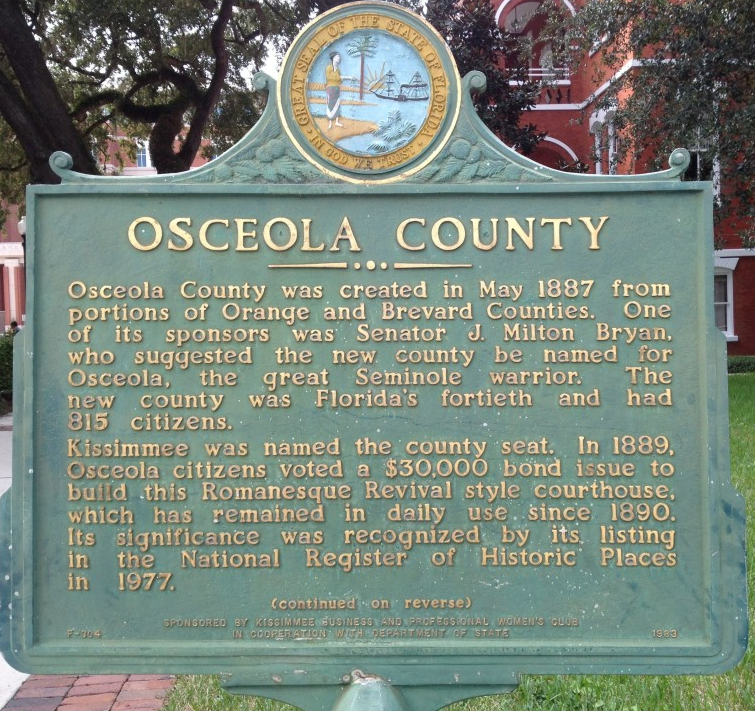
Finally, Venue is which county in Florida to file the divorce or paternity action. In a divorce, it is where the parties last resided together or where the Respondent resides. The Petitioner does not just get to choose. However, Venue, like Personal Jurisdiction, can be agreed upon by the parties. This is often the case with Uncontested Divorces. I often file these in Osceola County even if both parties live in south Orange County when they agree it would be more convenient. The rules are, ironically, a little looser in Paternity cases.
If you have any questions about where to file a Family Law case, be it a divorce or paternity case, you should contact an experienced, knowledgeable divorce attorney.

Shawn L. HungateAttorney at Law in Kissimmee, representing clients in Kissimmee, St. Cloud and Osceola County for three decades. About Shawn
This article is general information, not legal advice for your situation. Reading it or contacting the firm does not create an attorney–client relationship.