

On this page
Most self-represented divorce cases in Kissimmee are decided by paperwork accuracy, not how well someone speaks in court. Judges rely on your financial affidavit, parenting plan, and filed forms to make decisions, so errors there cause more problems than nerves ever will.
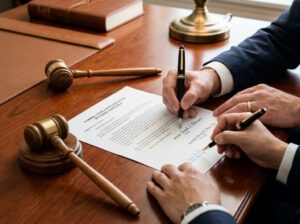 Here’s something most people don’t expect. A judge rarely cares how confident you sound. What they care about is whether your paperwork tells the truth and follows Florida’s family law rules. We see this mistake all the time: someone spends weeks rehearsing what they’ll say, then walks in with a financial affidavit that’s missing pages or math that doesn’t add up. That single form can shape support, custody time, and how property gets split.
Think about a couple filing in Osceola County. Both parties agree on almost everything, but one spouse lists incorrect income on the mandatory disclosure form. The case stalls. A hearing gets rescheduled. What could’ve been resolved in one visit to the Kissimmee courthouse turns into months of back and forth, all because of a paperwork gap, not a courtroom moment.
So what decides the outcome? It’s the documents that build your case before you ever say a word to the judge.
- Gather and verify your financial records, including pay stubs, tax returns, and account statements.
- Complete the Florida Family Law Financial Affidavit with exact, honest numbers.
- Draft a parenting plan if children are involved, matching Florida’s required format.
- File all forms with the Osceola County Clerk of Court before your scheduled hearing.
- Serve your spouse properly and keep proof of service on file.
- Review every document twice for missing signatures or unchecked boxes before submission.
Skip one of those steps and things can unravel fast. And it’s not just about filling out blanks correctly, it’s about knowing which forms even apply to your situation.
- Filing an outdated financial affidavit version that clerks won’t accept
- Leaving out debts or assets, which can look like hiding money to a judge
- Writing a parenting plan that doesn’t meet Florida’s minimum requirements
- Missing filing deadlines tied to your case timeline
- Forgetting notarization or witness signatures on required documents
Any one of these can push your case back weeks. Some can hurt your outcome permanently, especially with support calculations or custody terms. But here’s the good news, none of these are impossible to get right. They just take attention, patience, and a clear checklist, not courtroom charisma.
The Florida Divorce Process Without an Attorney, Step by Step
Every Florida divorce follows the same basic path through the court system. The steps don’t change just because you’re doing this without a lawyer. What changes is who’s responsible for getting each piece right, and that’s you.
 We see this mistake all the time: people skip ahead or assume a step is optional. It usually isn’t.
- File your Petition for Dissolution of Marriage with the Osceola County Clerk of Court in Kissimmee. This starts the case and sets the clock running.
- Serve your spouse the right way. Florida requires formal service, usually through a process server or the sheriff’s office, not a text message.
- Give your spouse time to respond. They get twenty days to file an answer once served.
- Exchange financial disclosure. Both sides must share income, debts, and assets under Florida Family Law Rule 12.285.
- Go to mediation. Osceola County judges usually require it before a trial date gets set.
- Work out the remaining issues, or prepare for a hearing if you can’t agree.
- Submit your final agreement or judgment for the judge to sign, closing the case.
Sounds simple on paper. But each step has small rules that trip people up, service that’s done wrong, disclosure that’s incomplete, deadlines that quietly pass.
Take the disclosure step. It’s not just handing over a bank statement. Florida wants a full financial affidavit, tax returns, pay stubs, and a list of debts. Miss something, and a judge can delay your case or question your credibility later.
Mediation trips people up too. Local Kissimmee mediators see spouses walk in without any numbers ready, no proposed parenting plan, no idea what they want. Sessions stall, and you end up paying for another round.
So where do things usually go wrong for people trying this alone? Mostly in the paperwork nobody double-checks and the deadlines nobody tracks.
A quick scenario: a Kissimmee parent filed on their own, missed the twenty-day answer window on a counter-filing, and the case got delayed almost two months while the court sorted it out. Small step, big set back.
If you’re not sure whether you’ve filed something correctly, or you’re staring at a mediation date with no plan, it might help to talk it through with someone who handles these steps every day.
Simplified vs Regular Dissolution: Which Track Fits Your Case
Florida doesn’t force everyone through the same process. There are two main tracks, and picking the wrong one can waste months of your time. Simplified dissolution is the express lane. Regular dissolution is everything else.
 Simplified dissolution only works for a narrow group of couples. Florida Statute 61.104 spells out the rules, and both spouses have to agree on every single point before filing.
- No minor or dependent children between you, and no pregnancy
- Both spouses agree the marriage can’t be saved
- You’ve already split property and debts between yourselves
- Neither person wants alimony
- Both of you can appear together at the final hearing
If even one box doesn’t check, you’re on the regular track. And that’s fine, most people end up there anyway.
Regular dissolution handles kids, contested property, alimony disputes, and any case where one spouse won’t sign off right away. It takes longer. It also asks for more forms, more disclosure, sometimes a temporary hearing before anything gets finalized.
Simplified dissolution finishes in weeks for a lot of couples, we’ve seen it done in Kissimmee in under six weeks when both sides came prepared. Regular dissolution can stretch several months, longer if the other side fights back on custody or the family home.
Here’s a scenario we run into a lot. A couple in Kissimmee married two years, no kids, no house together, both employed. They think they need to be simplified. But one of them still wants a small alimony payment, so that single request bumps them into regular dissolution automatically.
No lawyer required for either track, technically.
But the regular track has far more room for mistakes. Missed disclosure deadlines, wrong financial affidavits, unclear parenting language. Small errors there can cost you money or time later, sometimes both.
So before you file anything, figure out which track fits your situation. Guessing wrong means starting over, and starting over means more court fees and more waiting.
Frequently Asked Questions
When should I get help instead of handling my divorce paperwork alone?
You should get help once your case involves children, disputed property, or confusing forms. Many people in Kissimmee start strong but get stuck on the financial affidavit or a parenting plan that doesn’t meet Florida’s format. A missed deadline or wrong form can delay your hearing by months. If you’re unsure about a step, it helps to talk it through before you file. Learn more about our divorce process support to see where your case might need a second set of eyes.
What’s the biggest misconception about representing yourself in a Florida divorce?
The biggest misconception is that speaking well in court wins your case. Judges care more about accurate paperwork than confidence. A financial affidavit with missing pages or wrong numbers causes more delays than nervous testimony ever will. People spend weeks rehearsing what to say, then lose time fixing forms the court rejects. Your outcome depends on documents filed correctly, not how polished you sound at the hearing.
How does filing in Osceola County affect my Kissimmee divorce case?
Filing in Osceola County means your case follows local court rules, including required mediation before a trial date. Osceola County judges typically won’t set a trial without mediation attempted first, so walking in without a proposed parenting plan or clear numbers can stall your session. All forms must go through the Osceola County Clerk of Court in Kissimmee, and local mediators expect you to arrive prepared with financial details already sorted out.
What’s the difference between simplified and regular dissolution in Florida?
Simplified dissolution is a faster option, but it only works if both spouses agree on everything already. There can be no children involved, no pregnancy, and no request for alimony from either side. Regular dissolution covers everything else, including contested property, custody, and support disputes. Most Kissimmee couples end up on the regular track because one detail doesn’t meet the strict simplified rules.
What happens if I make a mistake on my financial affidavit?
A mistake on your financial affidavit can delay your hearing or hurt your credibility with the judge. Leaving out a debt or listing wrong income looks like you’re hiding money, even if it was an honest error. This one form influences support amounts and property division, so small mistakes carry big consequences. Double-checking every number before you file saves you from a rescheduled hearing later.
How long does an uncontested divorce usually take in Kissimmee?
An uncontested divorce in Kissimmee can move quickly once both spouses agree and paperwork is correct. Delays usually come from missed twenty-day response windows, incomplete disclosure, or mediation sessions that stall because no one brought numbers. One parent’s case stretched almost two months over a single missed deadline. Getting every form right the first time keeps your timeline on track.