On this page
We often hear folks in Kissimmee use the terms “criminal lawyer” and “criminal defense lawyer” interchangeably. And, for everyday talk, that’s usually fine. But the phrase “criminal lawyer” covers more ground than most people realize. The team at Hungate Law in Kissimmee can explain the difference.
It’s simple, really. When someone mentions a “criminal lawyer,” they might mean several types of attorneys. Some of these lawyers work for the state. Others are on the defense team. So, the title itself doesn’t tell you whose side a lawyer is on.
- A prosecutor working for the State Attorney’s Office here in Osceola County
- A public defender assigned to represent someone who just can’t afford private counsel
- A private attorney who steps up to defend people accused of crimes
- A legal scholar or professor who studies criminal law but stays out of the courtroom
- An attorney who handles both prosecution and defense work at different times
So, when your neighbor tells you they hired a “criminal lawyer” after a run-in near Old Town, that lawyer is almost certainly defending them. They aren’t prosecuting. But the general label doesn’t guarantee it, does it?
We see this mix-up daily at our office. Someone will call and say, “I need a criminal lawyer, my son was arrested last night.” What they truly need is someone who defends people, someone focused on a fair outcome, not an attorney who primarily studies statutes or works for the other side. That gap between the broad term and the specific role matters more than people often expect when they need expert legal guidance fast.
Why the General Term Sticks Around
 Language can be sticky. People grew up hearing “criminal lawyer” on TV shows and in movies. That phrase became the default. Nobody really stopped to separate “criminal lawyer” from “defense lawyer” because pop culture almost always shows the hero attorney defending someone.
But real life in Kissimmee courtrooms is different. Prosecutors and defense attorneys sit on opposite sides of the very same case. Both technically practice criminal law. And a stranger might call both a “criminal lawyer” without knowing the full story.
Here’s a quick scenario. Say a family member gets arrested near the Kissimmee courthouse. You search “criminal lawyer near me” on your phone late at night. The search results will primarily show defense attorneys. Those are the ones advertising to worried families. But the initial term you typed never promised that specific role.
This is why taking a few minutes on this distinction is worth it. It’s not just playing with words. It affects who you call first, especially when time is truly of the essence. And when someone you love is sitting in a holding cell, you don’t have time to sort through unclear labels. We want you to feel confident from your first free consultation.
The bottom line here is simple: “criminal lawyer” tells you the field. It doesn’t tell you their role. You still need to ask, or look closer, to know exactly who you’re hiring and which side of the courtroom they usually stand on.
What Makes ‘Criminal Defense Lawyer’ More Specific
Here’s the real answer, plain and simple. In most law offices, the words describe the same job. But “criminal defense lawyer” tells you something “criminal lawyer” doesn’t. It tells you which side of the courtroom this person stands on.
A criminal lawyer could, in theory, work as a prosecutor. That’s someone who represents the state, not the person accused. So when a Kissimmee resident searches “criminal lawyer,” they might find results for prosecutors’ offices or broad legal directories. These don’t always sort attorneys by their actual role. That’s confusing when you’re facing charges and need someone fighting for you, not against you.
The phrase “criminal defense lawyer” clears that up instantly. It tells you this attorney represents people accused of crimes. Full stop. No guessing about their team.
Why This Distinction Matters for Your Search
We see this mix-up all the time, particularly with our locally focused clients. Someone calls after a DUI stop in Osceola County. They’re worried and searching online for help. They find general criminal law pages, without a clear statement of who the attorney represents. That lack of clarity costs people precious time. And time truly matters most in these situations.
Think about what you need after an arrest:
- Someone who reviews the police report and looks for mistakes in how evidence was gathered (this is vital).
- Someone who knows the local courts here in Kissimmee and how judges tend to handle certain charges.
- Someone who can explain your options clearly, using plain language, not confusing legal jargon.
- Someone who is working only for you, not the state of Florida.
That last point is the heart of the distinction, and why we are so committed to clear communication. A criminal defense lawyer’s whole job focuses on protecting the rights of the accused. It’s not a side task. It’s their entire practice, ensuring a fair outcome for you.
And here’s something we’ve noticed most people don’t think about until they’re standing in front of a judge: the label on a website doesn’t guarantee experience with your specific charge. Some attorneys handle many criminal matters. Others focus more tightly on things like DUI defense or drug charges near Buenaventura Lakes. The word “defense” in the title is a good sign. But it’s still smart to ask direct questions about their background with cases like yours.
So, does the label change how the law works? No. Florida law treats your right to counsel the same either way. But the term you search for shapes the results you see, and that shapes who you call first. Getting this right from the start saves confusion later, especially when you’re already stressed about a court date or a bond hearing.
We’ve talked with plenty of Kissimmee families who felt a real sense of relief just knowing they were looking at the right kind of attorney from the beginning. That clarity provides peace of mind.
Why the Terminology Confusion Exists in the First Place
 Most folks in Kissimmee ask about this after a scary phone call or an arrest, and they need straight answers fast. Here’s the short version: no, there isn’t a real legal distinction. Both terms point to the same job. But the confusion sticks around for reasons that make sense once you see them.
Law schools don’t teach a class called “Criminal Lawyer 101” separate from “Criminal Defense 101.” There’s no separate bar exam section for it. No special license. So, where did two names for one job come from? Marketing, mostly, and old habits from how courtrooms talk about themselves.
Think about it this way. A prosecutor also practices criminal law. A judge does too. So does a public defender. All of them work inside the criminal justice system every day. Calling someone a “criminal lawyer” without more context leaves out a key detail: whose side are they on?
That’s where “defense” really earns its keep. It tells you, right away, that this lawyer stands next to the accused. Not the state. Not the victim. You.
We see this mix-up constantly in our own intake calls here in Kissimmee. Someone will say, “I need a criminal lawyer,” and we always ask a follow-up question. We just want to be sure they mean defense work- not something like filing a police report or acting as a witness. Nine times out of ten, they mean defense. And that one simple question saves everyone time.
A Quick Real-World Example
Picture a client we’ll call Marco. He was arrested near Osceola Parkway after a DUI stop. He searched “criminal lawyer near me” on his phone from the back of a patrol car. He didn’t think twice about the wording. What he needed, and what he got through our compassionate guidance, was defense counsel. Someone to challenge the traffic stop, question the breath test results, and stand between him and the State Attorney’s office. The label he typed didn’t matter. But the function of his attorney absolutely did.
Online search habits add another layer to this, too. People type what feels natural to them. And “criminal lawyer” often just rolls off the tongue faster than “criminal defense lawyer.” Google understands this. So search results often blend the two terms together without much distinction. And some law firm websites even do the same thing, swapping the phrases mid-page just for variety, even though it can confuse things.
Older legal directories didn’t help, either. Decades ago, print listings often grouped attorneys under broad headings like “Criminal Law.” They didn’t split out defense versus prosecution roles. Most directories just assumed readers already knew a private attorney wasn’t working for the state.
So the confusion isn’t really about two different jobs at all. It’s about one job with two common labels. Plus, we’ve got a legal system full of overlapping titles that all touch criminal law in some way. But once you know that, the next question becomes far more useful: what should you look for when hiring someone to defend you in Osceola County? That’s the part we truly believe is worth spending your time on, ensuring you get an affordable and fair outcome. Knowing how the criminal justice system works can help you choose the right legal representation for your situation.
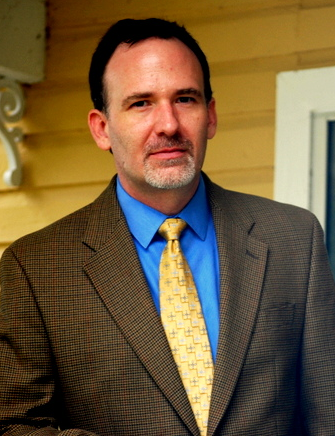
Shawn L. HungateAttorney at Law in Kissimmee, representing clients in Kissimmee, St. Cloud and Osceola County for three decades. About Shawn
This article is general information, not legal advice for your situation. Reading it or contacting the firm does not create an attorney–client relationship.