
 Criminal Defense
What Really Drives the Cost of a Divorce
By Mark FarrowSeptember 3, 2026No CommentsWhat Really Drives the Cost of a Divorce
Divorce costs in Kissimmee depend far more on conflict level than court fees. Uncontested cases with agreed terms stay simple and affordable, while fights over custody or property drag out attorney hours. Knowing this early helps you make choices that keep your case cheaper.
 Most people assume divorce is expensive because of filing fees. It’s not. Osceola County filing fees are a small, fixed cost. The real expense comes from how much time your case takes, and time gets eaten up by disagreement.
We see this mistake all the time, couples fight over furniture and small accounts while barely noticing the legal bill climbing. So what drives the price up or down? A few key factors matter more than anything else.
- Whether both spouses agree on custody, support, and property before filing
- How many assets you own, and how complicated they are to divide
- Whether you need a forensic accountant, appraiser, or custody evaluator
- How many court hearings your case requires
- Whether your attorney bills hourly or offers a flat fee for uncontested cases
An uncontested divorce with no kids and no real property can move fast. But add a business, a home near Lake Tohopekaliga, or a disagreement over parenting time, and things slow down. More hearings mean more attorney hours, and that’s where costs pile up.
Here’s a scenario we see often. Two spouses agree on almost everything except who keeps the car. That one disagreement can add weeks to a case, and weeks add up to real money. The fix is usually simple: settle the small stuff early so your attorney can focus on what matters.
Local court backlog plays a role too. Osceola County courts handle a steady flow of family cases each month, and scheduling delays can stretch things out. That doesn’t raise your legal fees directly, but it does mean more waiting, and waiting often invites more conflict to creep back in.
The cheapest divorces are almost always the ones where both people show up ready to agree.
Uncontested vs. Simplified Divorce: Why the Difference Matters
Most people use “uncontested” and “simplified” like they mean the same thing. They don’t. And mixing them up can cost you time, filing fees, or a trip back to the Osceola County Clerk’s office to fix paperwork.
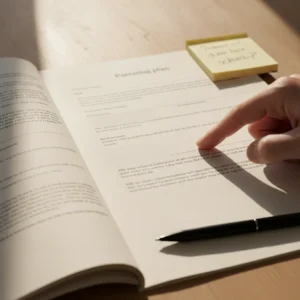 An uncontested divorce just means you and your spouse agree on everything. Property, debts, kids, support. No fighting, no trial. But you still file the standard dissolution paperwork, and if you have minor children, you’ll need a parenting plan and child support worksheet no matter how friendly things are.
A simplified dissolution is narrower. It’s a shortcut built into Florida law for couples who meet a strict set of conditions.
- You and your spouse have no minor or dependent children together
- Neither spouse is pregnant
- You’ve already divided your property and debts and both agree on the split
- Neither of you is asking for alimony
- Both spouses are willing to go to the final hearing together
That last one trips people up. Simplified dissolution under Florida Statute 61.021 requires both spouses to show up in court at the same time. If your spouse won’t cooperate or can’t attend, this path closes fast.
We had a Kissimmee couple come into our office last year sure they qualified for simplified dissolution. They’d split everything fairly, no drama at all. But their 17-year-old son lived with them part-time. That single fact took simplified off the table. So we moved them into an uncontested divorce instead, still fast, still low-conflict, just a different form set.
Here’s the part most people miss: uncontested divorce is almost always the more useful option, even without kids. It’s more flexible, it covers more situations, and it still moves quickly when both spouses cooperate. Simplified dissolution sounds appealing because of the name, but it only fits a narrow slice of couples.
So which one saves you more money? Usually uncontested, simply because more people qualify for it start to finish without hitting a legal wall halfway through.
Picking the wrong track early on is one of the most common and costly mistakes we see, so get clear on eligibility before you spend a dime on filing.
Does Your Situation Qualify for the Cheapest Track? A Quick Self-Check
Not every divorce can go the route, and that’s okay. Some cases need more attention, and rushing them can cost you later. Before you get your hopes up about a fast, low-cost case, run through this quick self-check. We use a version of this same list with clients who walk into our Kissimmee office asking, “Can I just do this myself?”
Florida offers a simplified dissolution of marriage for couples who meet strict requirements. It’s the cheapest legal path by far. But it only works for a narrow group of people.
- You and your spouse agree the marriage can’t be saved, no contest needed
- You have no minor or dependent children together, and neither of you is pregnant
- You’ve already divided property and debt, or there’s very little to divide
- Neither spouse wants alimony from the other
- You’re both willing to attend a short final hearing together in Osceola County
Checked every box? You’re likely a strong candidate for the simplified process. Missed even one? You probably need the regular uncontested route instead, still affordable, just a bit more paperwork.
Here’s where people get tripped up. A friendly split doesn’t always mean a simple one.
We see this mistake all the time: a couple agrees on everything verbally, then one spouse changes their mind about the house or the retirement account halfway through filing. That’s not a simplified case anymore. It becomes a standard uncontested divorce, which still keeps costs down, but requires a signed settlement agreement covering every asset and debt. So take an honest look at your finances before you assume you qualify for the fastest, cheapest option.
Kids change the math too. If you and your spouse share minor children, Florida requires a parenting plan and child support worksheet, no exceptions. That’s not a bad thing, it protects your kids. But it does mean you’ll skip the simplified track and move into the standard uncontested process instead. The good news? Uncontested cases with kids can still move fast and stay affordable when both parents cooperate.
Ask yourself one more question: are you and your spouse talking, or just avoiding conflict?
Avoidance isn’t agreement.
If you’ve run through this checklist and you’re still not sure where your case lands, that’s a normal spot to be in. A quick chat about your case on our divorce services page can tell you exactly which path fits, before you spend money going the wrong direction.
Frequently Asked Questions
How do I know if my divorce will end up being cheap or expensive?
Your cost depends mostly on how much you and your spouse agree, not court fees. Couples who settle custody, support, and property early keep things simple. Fights over cars, furniture, or bank accounts add hours to your case, and hours add up fast. Before you file, sit down and list what you already agree on. The shorter your disagreement list, the cheaper your case usually stays. A quick conversation now with a divorce attorney can help you spot problem areas before they grow.
Should I try to handle my divorce myself, or do I need help from a professional?
You can handle a truly simple, agreed-upon divorce yourself, but many cases need professional help sooner than people think. If you have kids, shared property, or any disagreement about money, a small mistake in your paperwork can cost you a trip back to the Osceola County Clerk’s office. Even friendly couples sometimes miss required forms like a parenting plan. If you’re unsure which track fits your situation, talk to a divorce attorney before you file anything.
What’s the biggest mistake couples make when trying to keep their divorce cheap?
The biggest mistake is assuming a friendly split means a simple case. Many couples agree on almost everything, then one person changes their mind about the house or a retirement account partway through filing. That single change can turn a simplified dissolution into a standard uncontested divorce, which needs a full signed settlement agreement. Settling every asset and debt in writing before you file helps you avoid this surprise and keeps your case moving smoothly.
Does Osceola County’s court schedule affect how long my divorce takes?
Yes, court backlog in Osceola County can stretch out your timeline even when both spouses agree on everything. Family court handles a steady flow of cases each month, and scheduling delays are common. This waiting doesn’t raise your legal bill directly, but longer waits sometimes let small disagreements creep back in. Filing complete paperwork the first time, especially your parenting plan or settlement agreement, helps you avoid extra hearings and added delays.
Can we switch from a simplified dissolution to a regular uncontested divorce later?
Yes, this happens often when one requirement no longer fits, like a child who splits time between both homes. A simplified dissolution needs strict conditions, including no minor children and both spouses attending the final hearing together. If your situation changes even slightly, your case moves into a standard uncontested divorce instead. It still stays affordable, but it uses different paperwork and a full settlement agreement covering property and debts.
Do I still need a parenting plan if my divorce is completely uncontested?
Yes, Florida requires a parenting plan and child support worksheet anytime you have minor children, even if you and your spouse agree on everything. Being friendly and cooperative doesn’t remove this paperwork requirement. Skipping it or filling it out incorrectly can slow your case down and send you back to court for corrections. Getting this document right the first time keeps your uncontested case moving at the pace you expect.
 Next Post
What “Uncontested Divorce” Means
What “Uncontested Divorce” MeansYou May Also Like
 Divorce AttorneyFamily Law
Basics About Divorce in Florida
Divorce AttorneyFamily Law
Basics About Divorce in Florida
Basics About Divorce in Florida
 Shawn HungateMarch 10, 2012
 Divorce Attorney
Contested Divorce Basics
Divorce Attorney
Contested Divorce Basics
Contested Divorce Basics
Shawn HungateApril 3, 2012
Criminal Defense
Juvenile Arrest and Juvenile Charges
Juvenile Arrest and Juvenile Charges
Shawn HungateJuly 2, 2012
Share Share Share Pin